Out For The Count
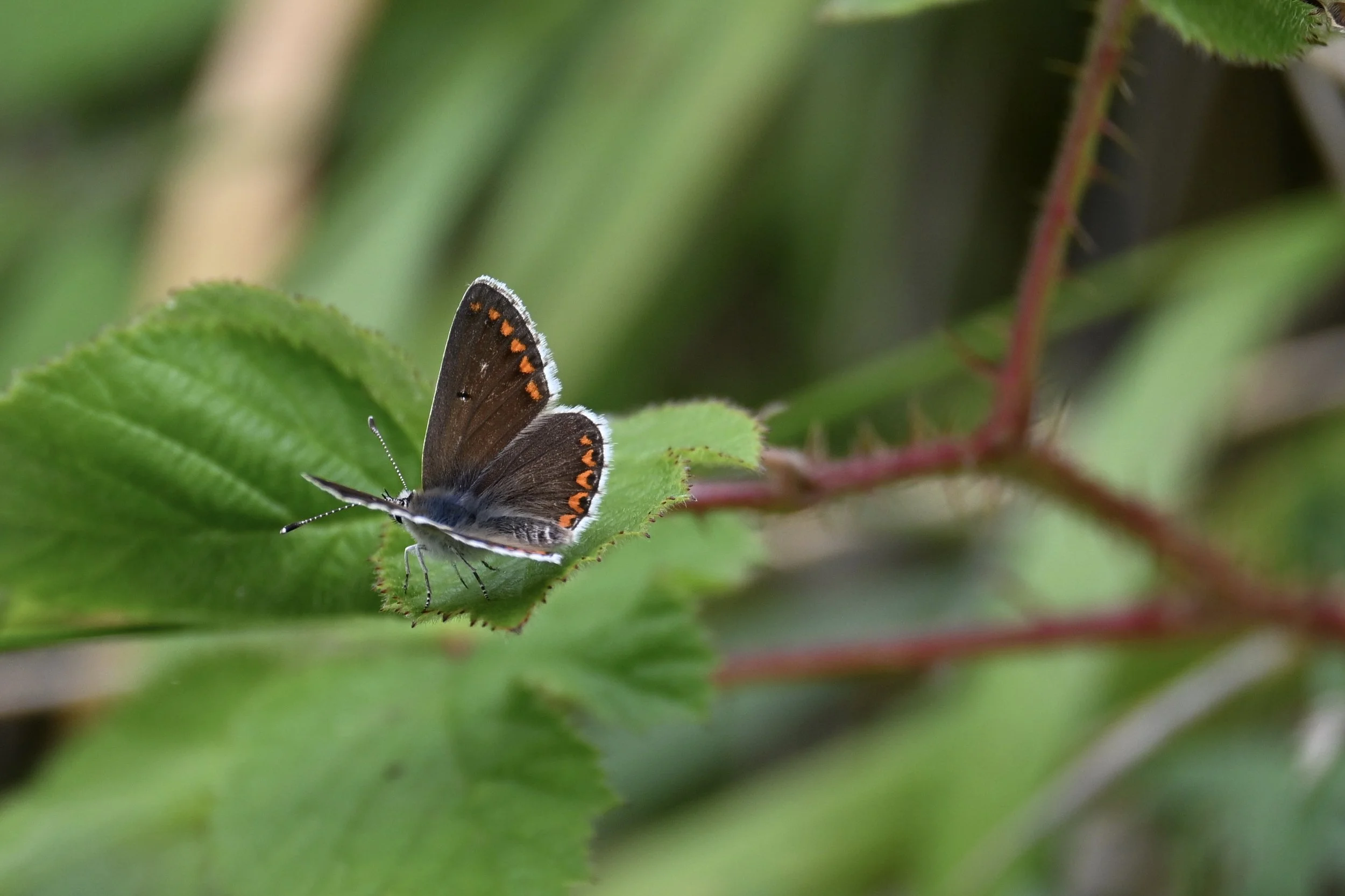
After a couple of days of meetings and research up in Manchester, I returned home on Sunday afternoon and took advantage of the fine weather in our neighbourhood to take a slow wander and record a few more butterfly sightings on the last day of The Big Butterfly Count. It was a truly lovely walk through Queen Mary’s Park and beyond, with several highlights, including this Small Copper taking a break on a rather tired wild flower.
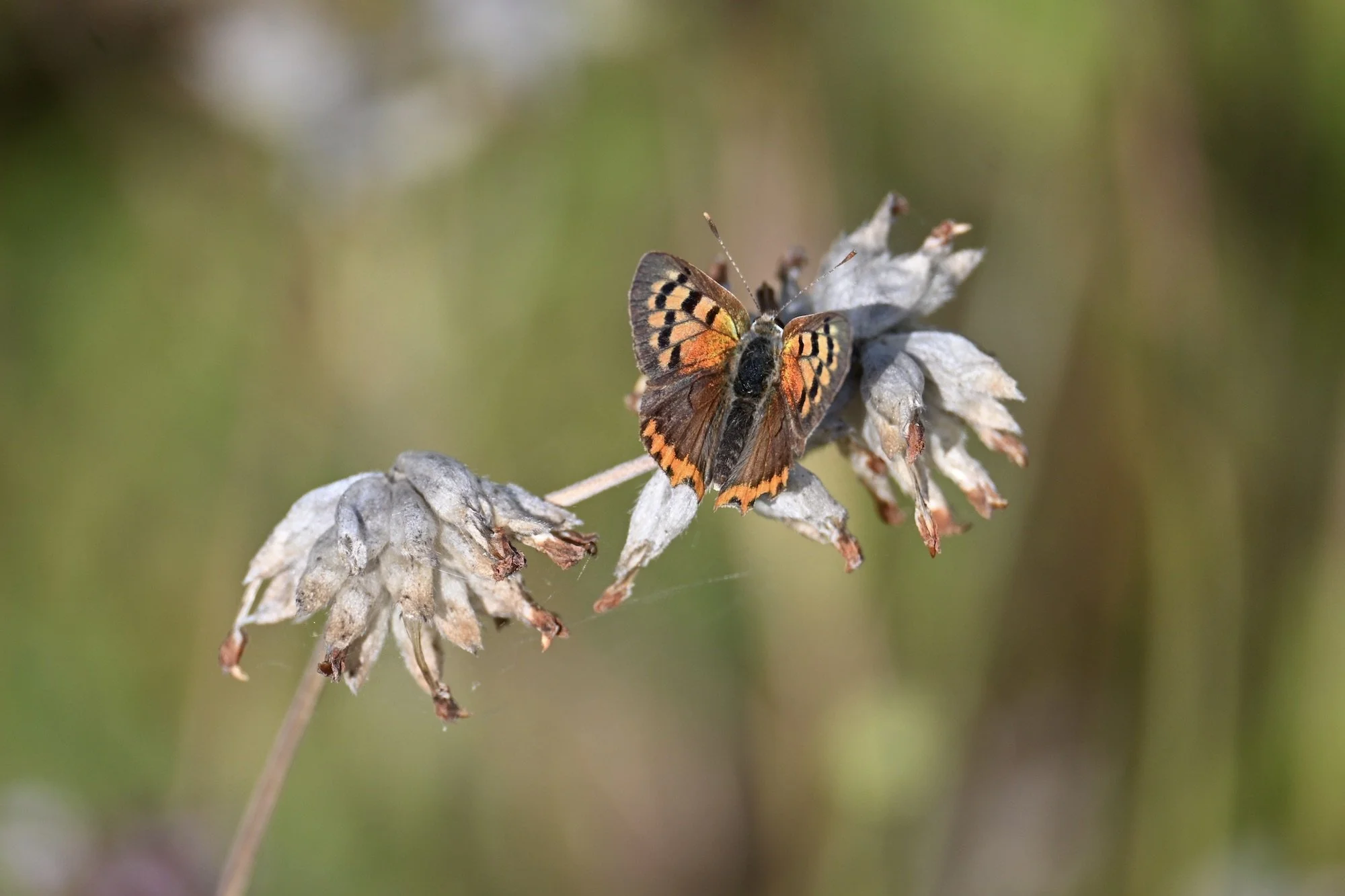
Small Copper in Wellfield Plantation
I’m getting ahead of myself however - as this citizen science adventure began 23 days earlier on 18th July 2025. Carole and I travelled to Epping Forest for the first time that day - to celebrate our wedding anniversary with a long walk in new territories for us. Epping Forest is stunning - ancient woodland reaching from the edges of North East London way out into the county of Essex. I could write pages based on our time here - but I digress. This is where our 2025 Big Butterfly Count began when we recorded 32 Gatekeeper butterflies flurrying (is that a word) around ragwort. Here are some of thos Gatekeepers along with a handful of other highlights from the walk.
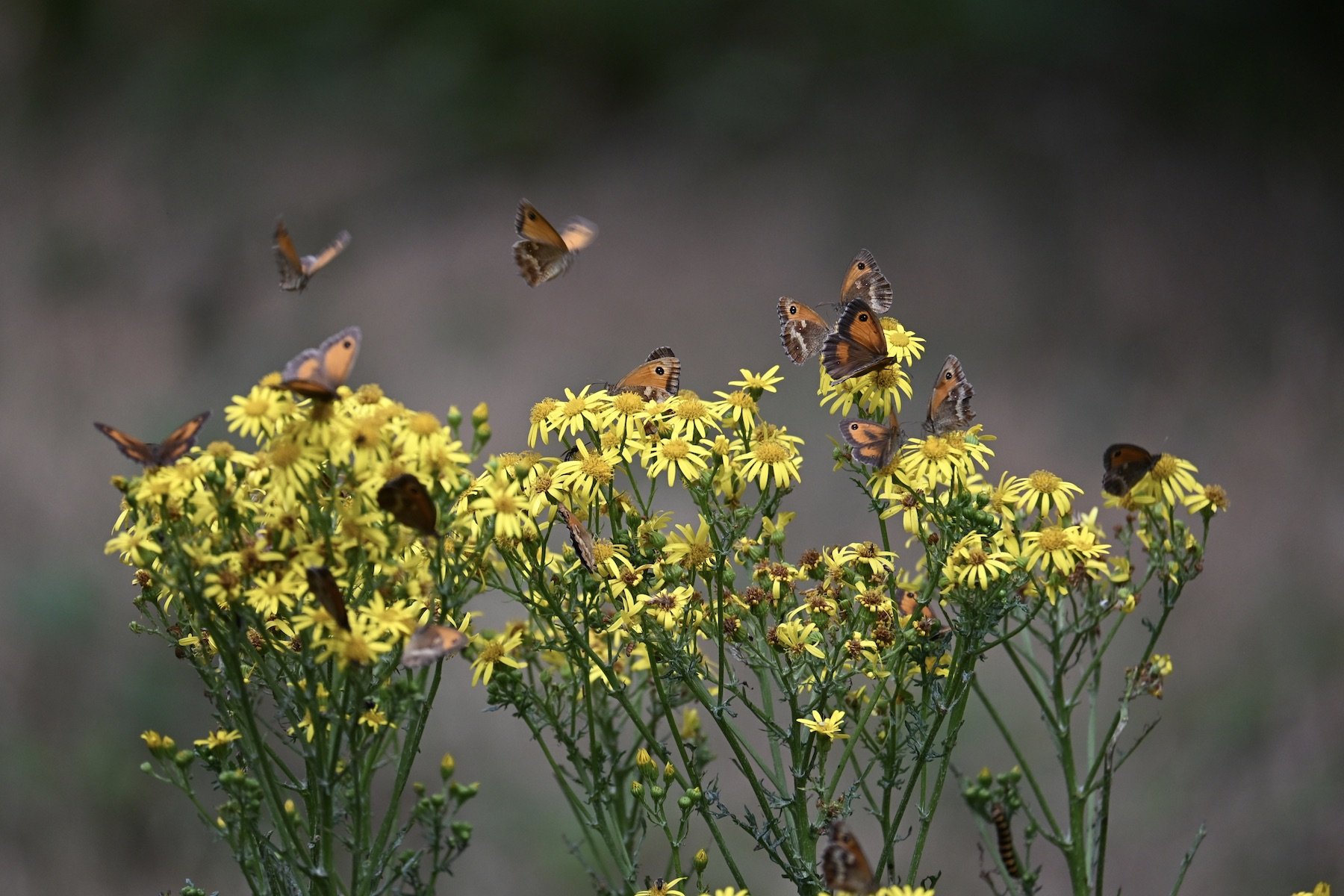
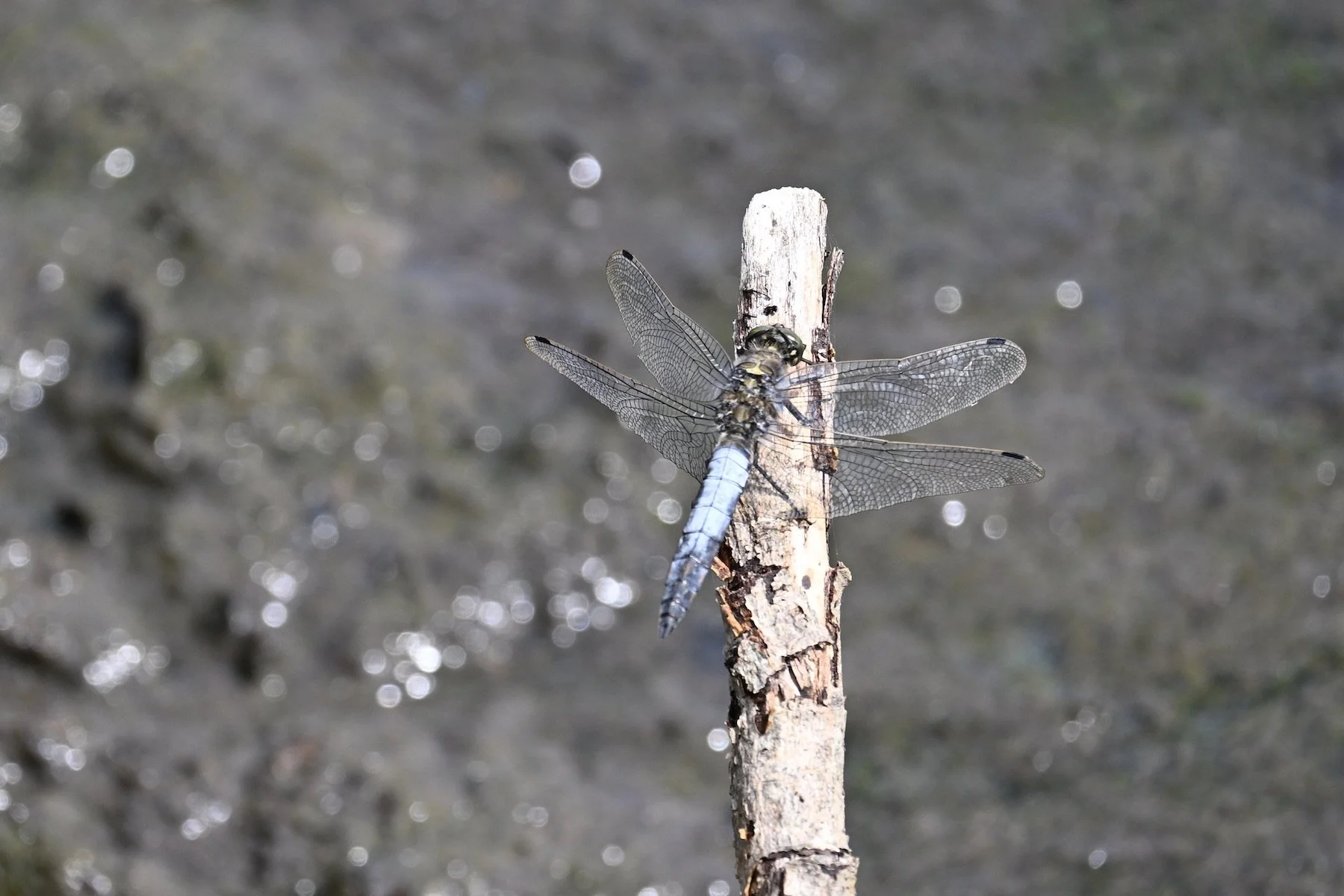
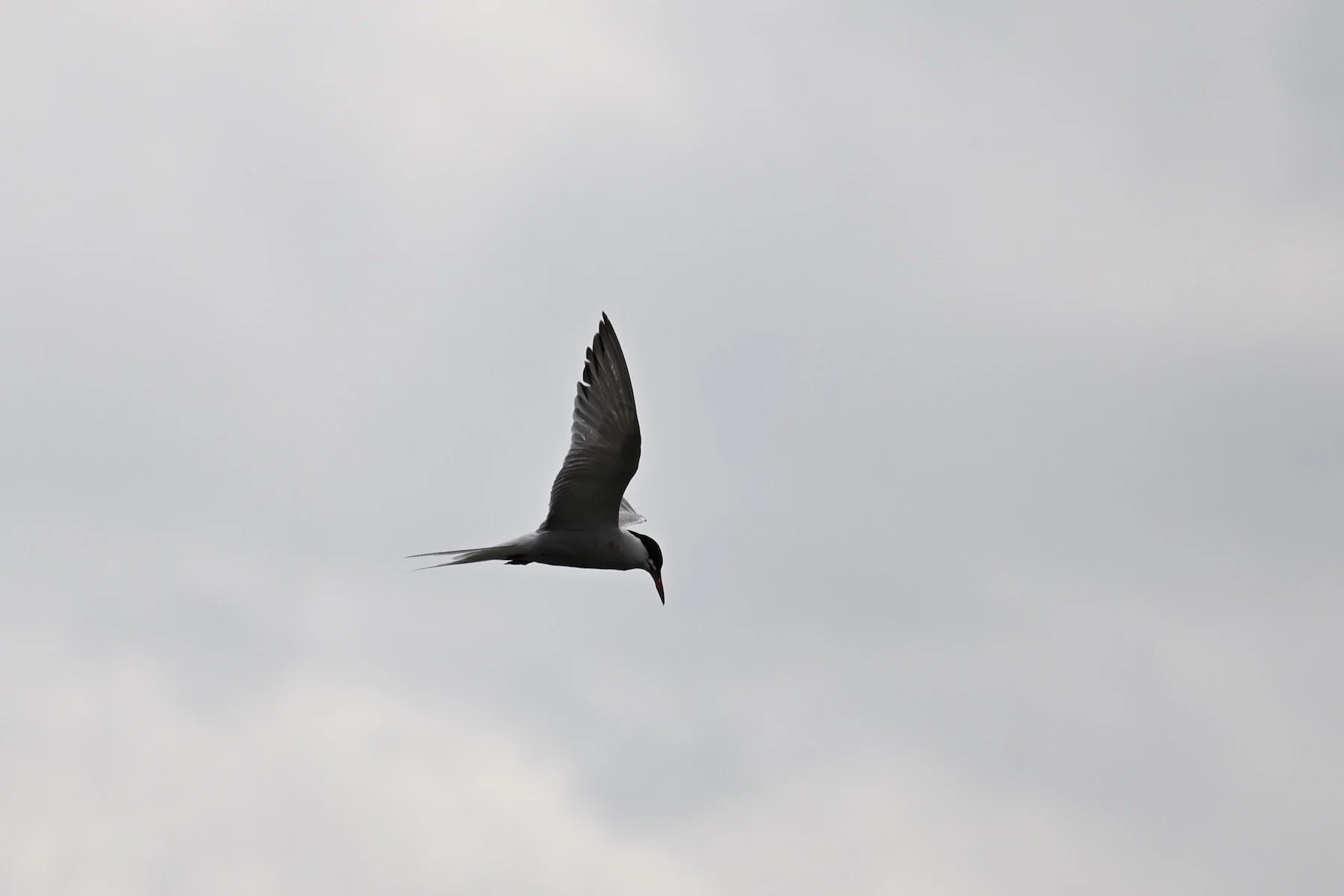
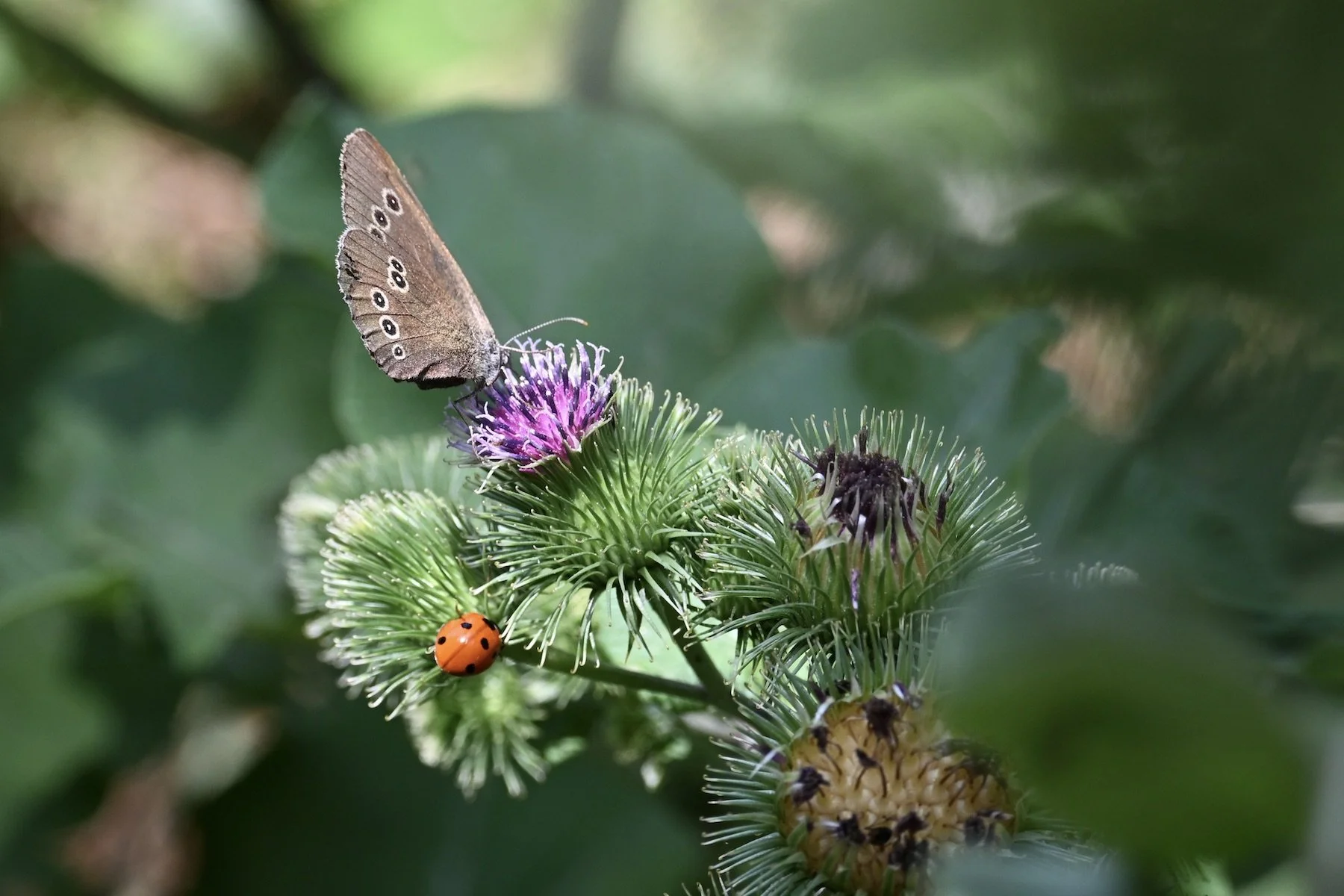
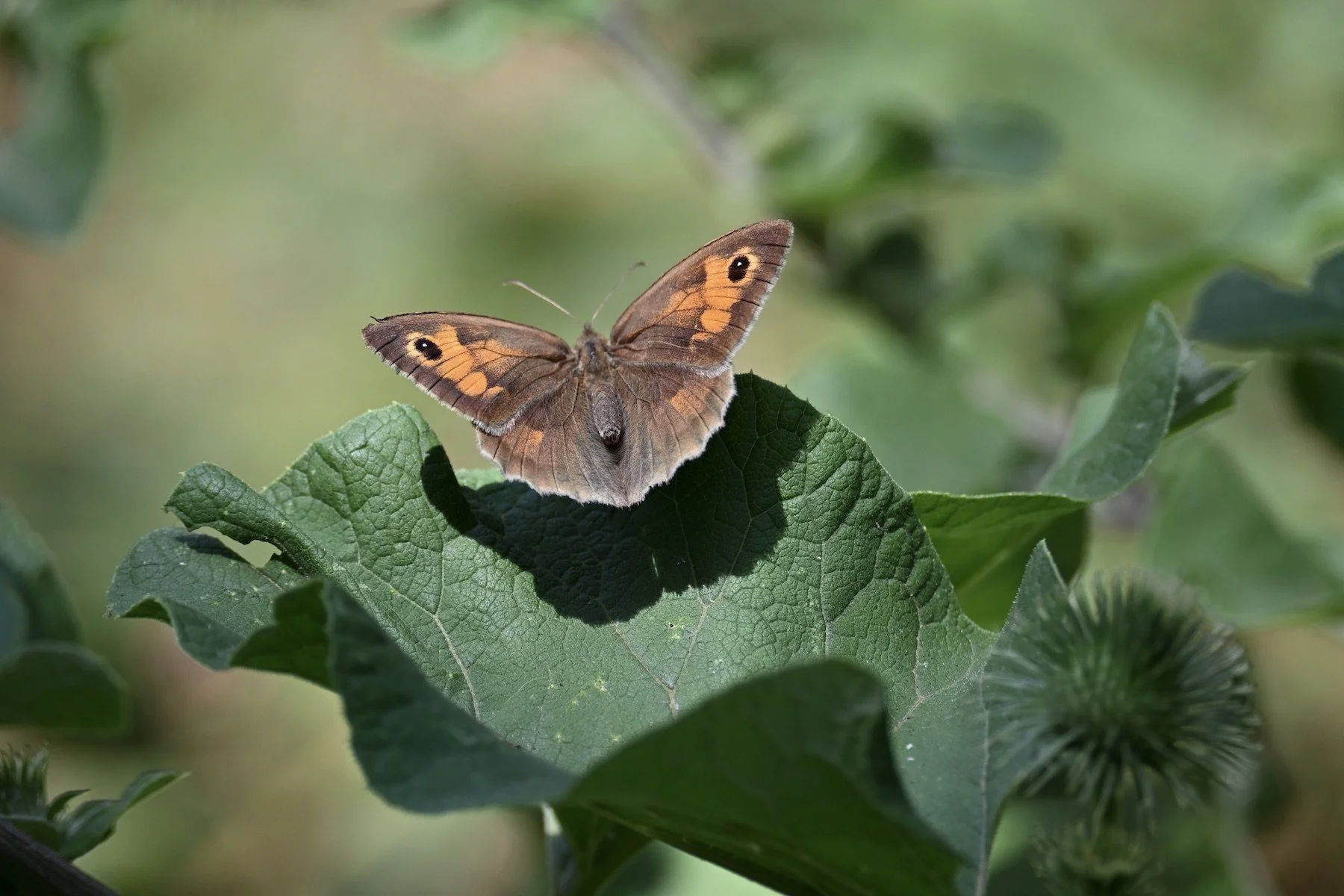
Taking part in the count is simple. You just find a green space - enjoy it for 15 minutes, and log any butterfly sightings during that time, on an app. I chose to integrate this project into my daily work - butterfly spotting on the way to and from work, and in other green locations I encountered along the way. Over the course of the 23 days, I ended up submitting 103 counts, which might sound like a lot, but given many of these were slotted into walks I was already having to do - it was easy to fit this work in.
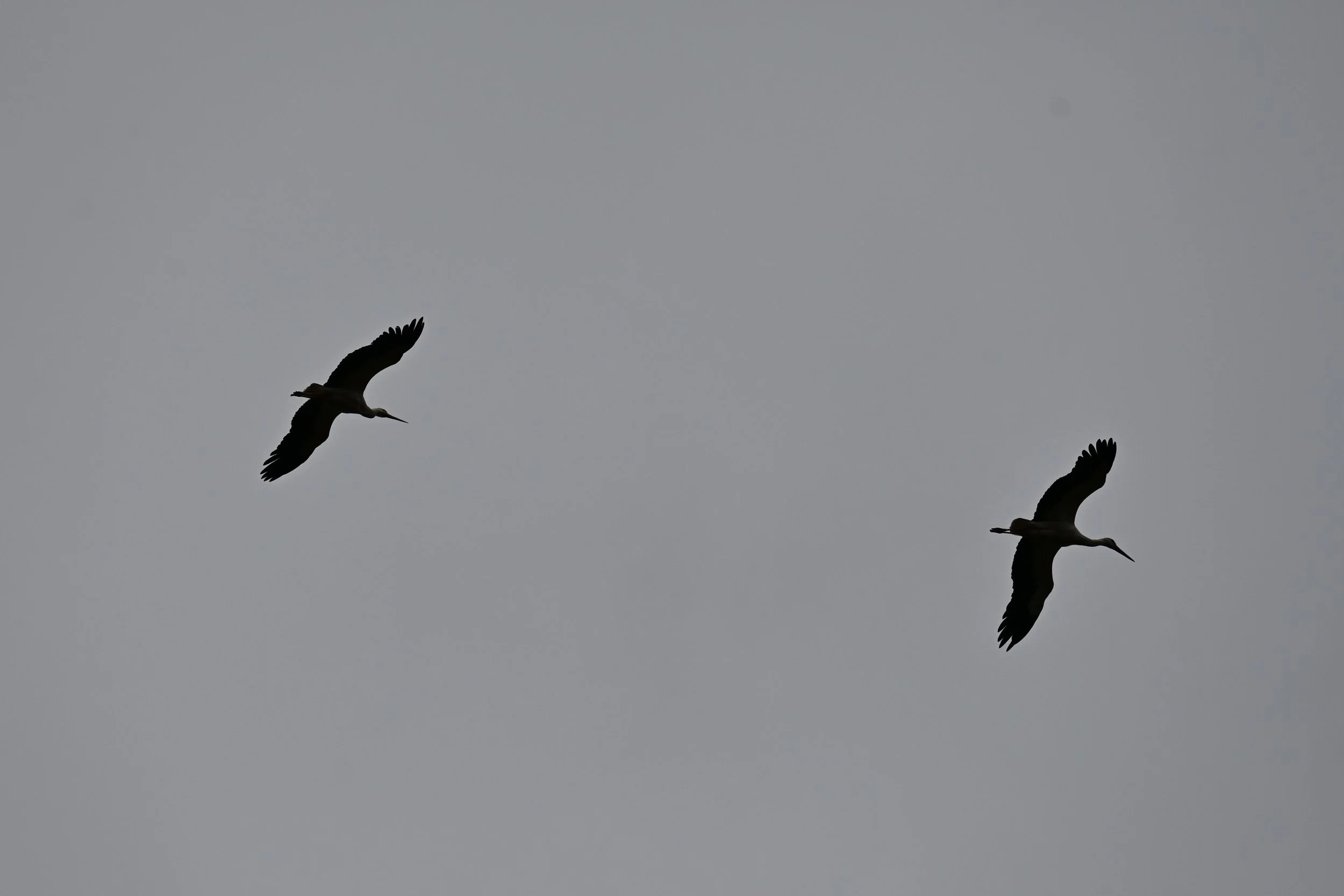
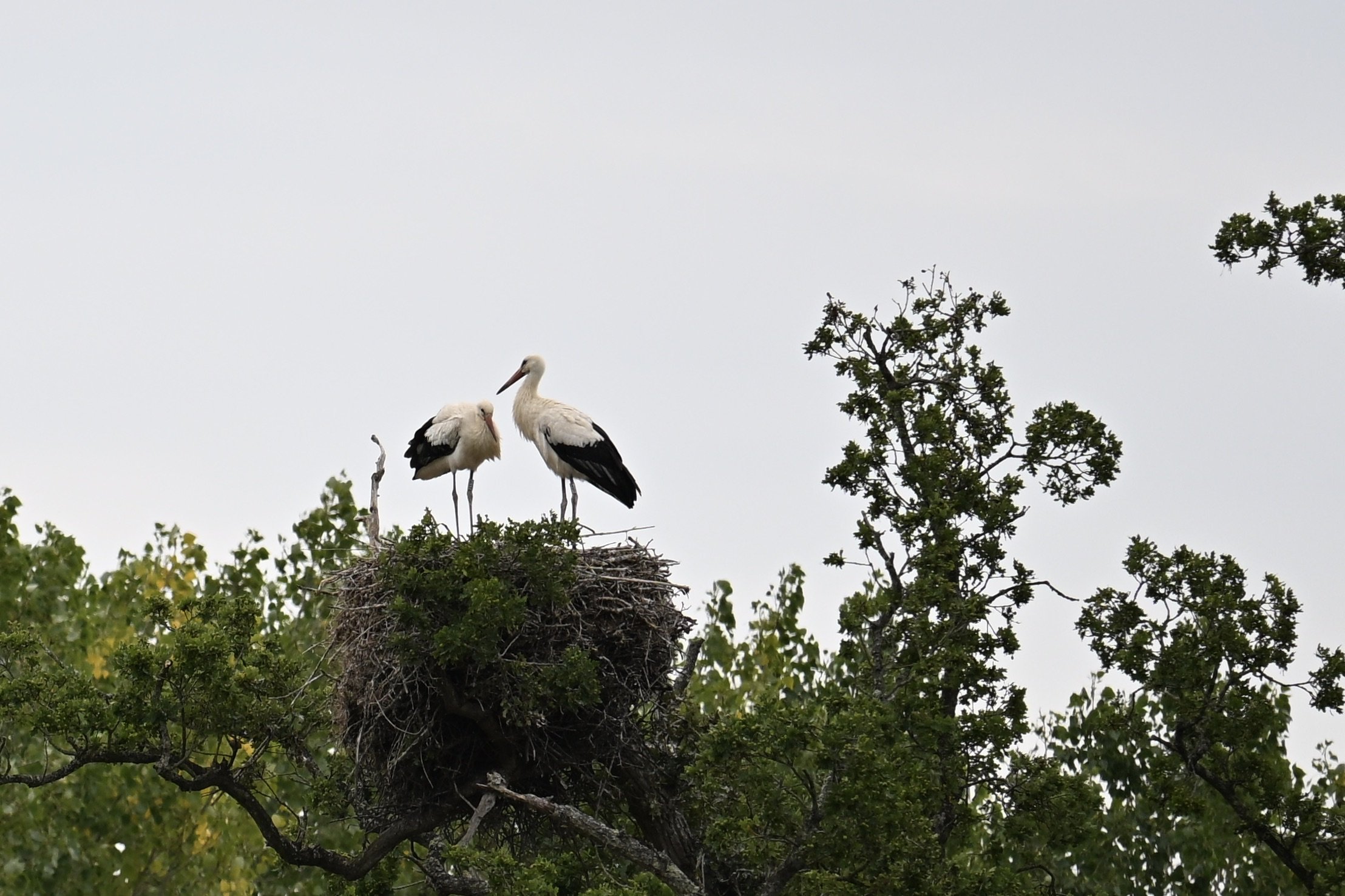
Most of my counts were submitted on local walks, beginning and ending at home and my art studio in Oaks Park, passing through Queen Mary’s Park, Queen Mary’s Woodland, Wellfield Plantation, and close to Sutton Community Farm. As the days unfolded, I resolved to take a few adventures further afield, to see what else I could find. I visited Hutchinson’s Bank, and Chapel Bank - well known local nature reserves on the Croydon/Kent borders, and I also travelled to Knepp - a fascinating rewilding project in Sussex. These places deserve their own write ups and for now here’s a brief photographic look at some of the surprises awaiting me when I travelled slightly longer distances. At one point there were 16 storks flying over us at Knepp - an amazing sight!

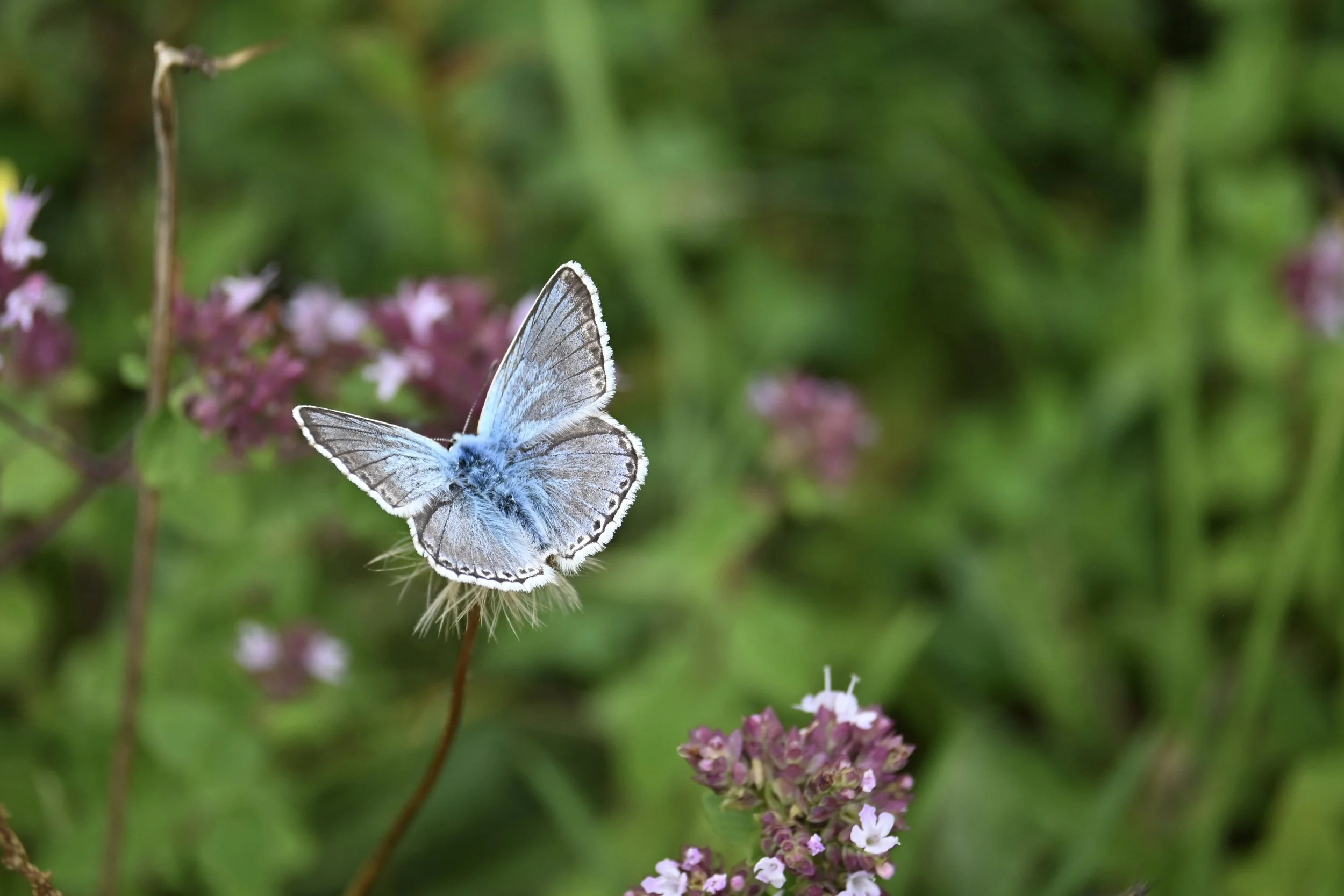
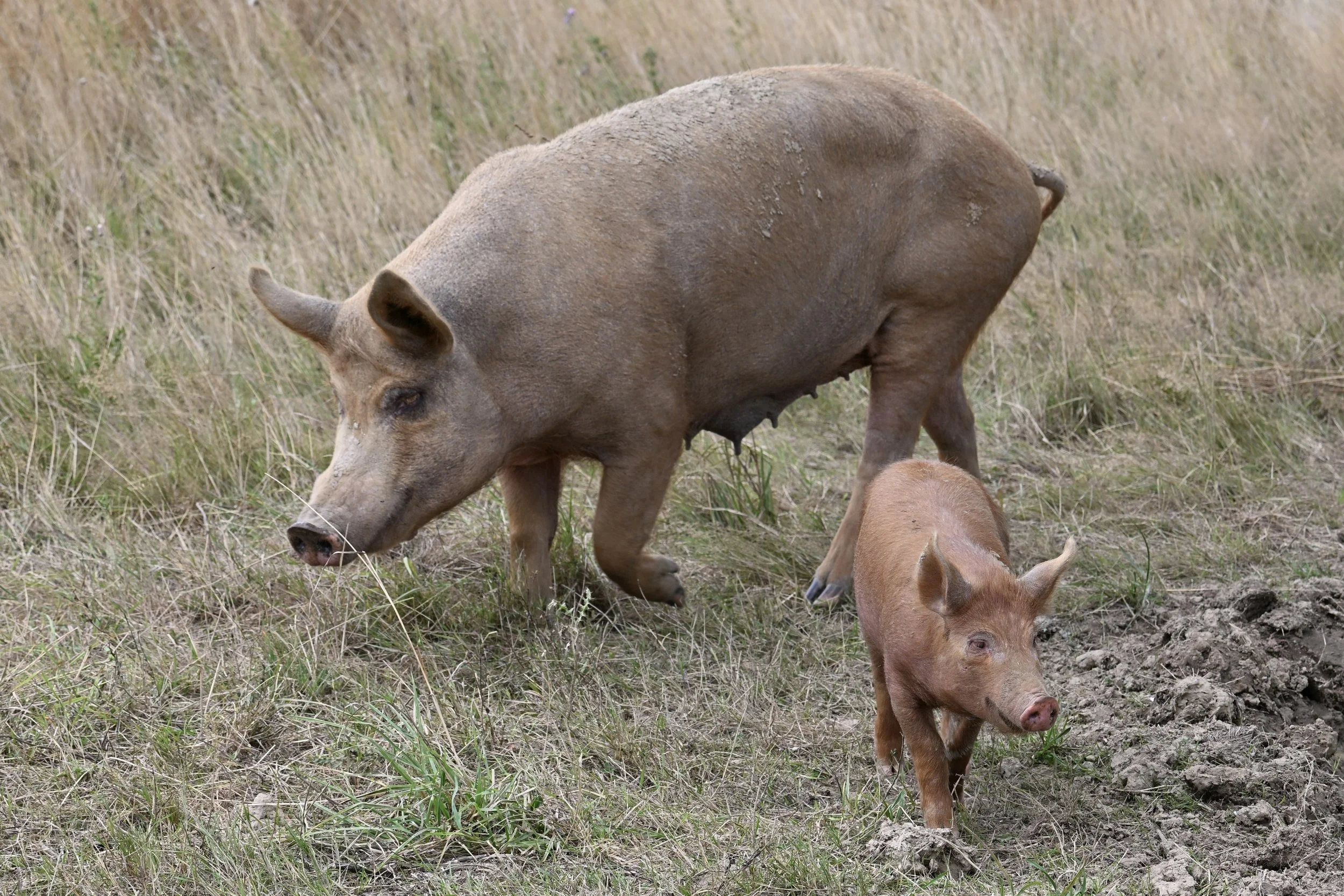
When submitting to the Big Butterfly Count you’re given a range of species (including a few moths) to identify and record. They’re all pretty distinctive - the choices offered are all reasonably popular species and ones most of us are likely to be able to identify positively. You don’t have to see something to submit a record, on a handful of occasions I saw no butterflies - it’s important to register these zero counts too.
Across the 103 counts I registered, I spotted just over 1,500 butterflies, and while that might not seem many in a total count of well over 1.8 million, my figures have me listed as 9th nationally based on the number of counts, and 14th nationally, based on the number of butterflies recorded, from a total of over 117,000 participants. To be clear - back on July 18th I didn’t set out to climb this particular mountain, nevertheless I am really glad I did. Not only did I get to spend time in nature, gathering important data, I visited less familiar places, and saw things way beyond my expectations.
As well as the beauty and variety of what I’ve experienced, what this year’s Big Butterfly Count has shown me is how powerful and simple, data gathering can be. Imagine what you could learn in your organisation through encouraging people to observe things regularly, repeatedly and with curiosity at the heart of that activity.
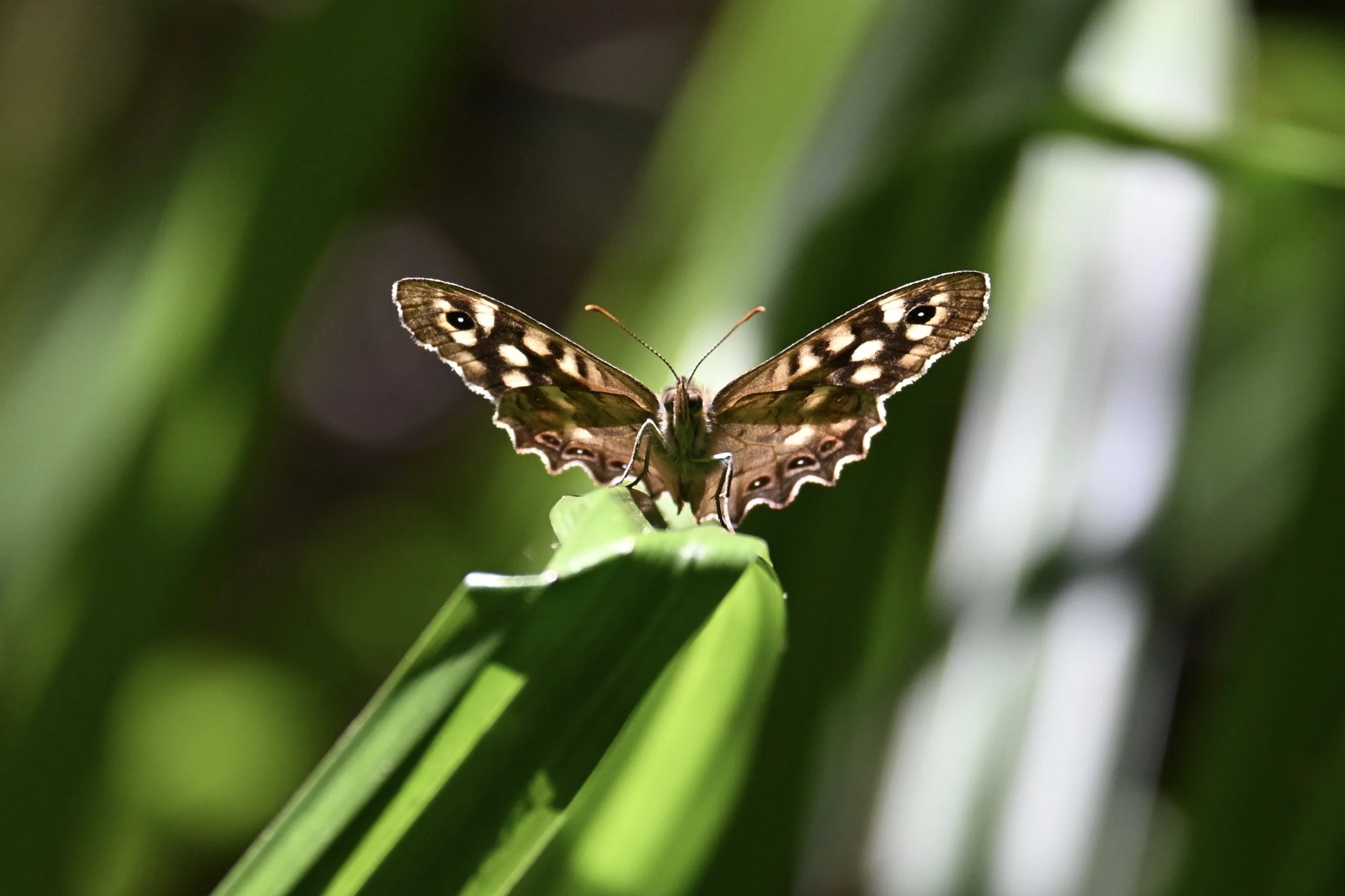
A Speckled Wood butterfly on Wilderness Island, perfectly backlit.